












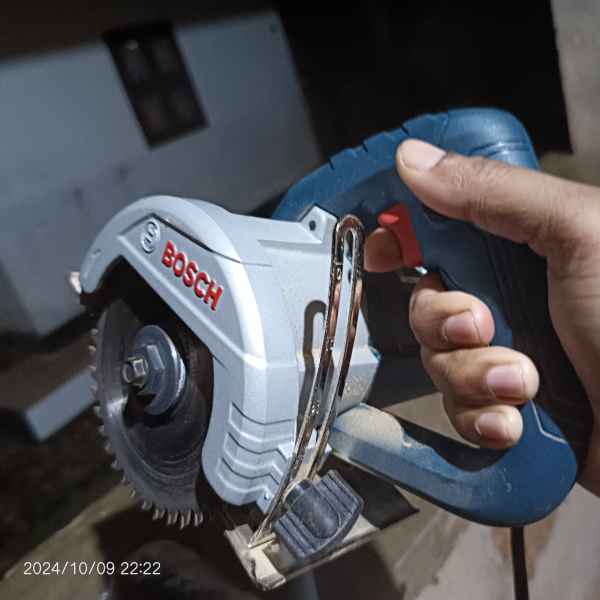
5 Maintenance Habits That Will Triple Your Power Tool Life
Wednesday, February 4, 2026, 5 PM



Why Your Tools Are Dying Early
Most DIYers and even some professionals treat their power tools as 'buy and forget' items. You use them until they start smoking, then you head to the big-box store to buy a replacement. But high-quality tools from brands like Milwaukee, DeWalt, or Makita are engineered to last for decades, not just a few projects. The difference between a drill that lasts two years and one that lasts twenty is simple: preventative maintenance.
1. The Compressed Air Ritual
Dust is the silent killer of electric motors. When you drill into wood or grind metal, fine particles are sucked into the motor housing by the cooling fan. This dust acts like insulation, trapping heat and eventually causing the motor to burn out. Every time you finish a project, use a can of compressed air or an air compressor to blow out the intake vents. You will be surprised at how much debris flies out. Keeping those internal components clear allows the tool to breathe and stay cool during heavy use.
2. Inspect and Replace Carbon Brushes
If you use corded tools or older cordless models, they likely use carbon brushes to deliver electricity to the spinning armature. These brushes are designed to wear down over time. If you notice your tool sparking excessively, losing power, or smelling like burnt ozone, check the brushes. Most pro-grade tools have small plastic caps on the sides that allow you to swap these out in five minutes. A $10 pair of brushes can save you from buying a $200 tool.
3. Manage Your Battery Heat
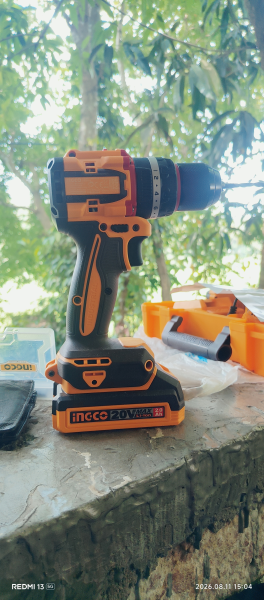
For cordless gear, the battery is often the most expensive part. Lithium-ion batteries hate two things: extreme cold and extreme heat. Never leave your batteries in a hot truck during the summer or a freezing garage in the winter. Heat degrades the chemical cells, permanently reducing their capacity. Additionally, try to avoid running a battery until it is completely dead. Charging a battery when it still has 10-15% charge left is much easier on the hardware than forcing it through a deep discharge cycle.
4. Keep It Sharp to Save the Motor
A dull drill bit or a blunt saw blade does more than just make a messy cut; it destroys the tool's motor. When a blade is dull, you have to apply more pressure, which forces the motor to work harder and draw more current. This creates friction and heat. By keeping your bits sharp or replacing blades regularly, you ensure the tool operates within its designed torque limits. If you find yourself leaning your body weight into a drill, it’s time to change the bit.
5. Lubrication is Not Optional
Any tool with moving metal parts—like the chuck on a drill or the gears in a reciprocating saw—needs lubrication. However, avoid using standard WD-40, as it can actually attract more dust. Use a dry PTFE lubricant or the specific grease recommended by the manufacturer. A small drop of oil in the chuck every few months will keep it from seizing up and ensure you aren't fighting your gear every time you want to swap a bit.
Treat your tools with respect, and they will return the favor. A few minutes of cleaning and inspection today can save you hundreds of dollars tomorrow.






No comments yet