











The Shadow Succession: What Actually Happens to Iran After Khamenei?
Monday, March 2, 2026, 3 PM



The Vacuum at the Top
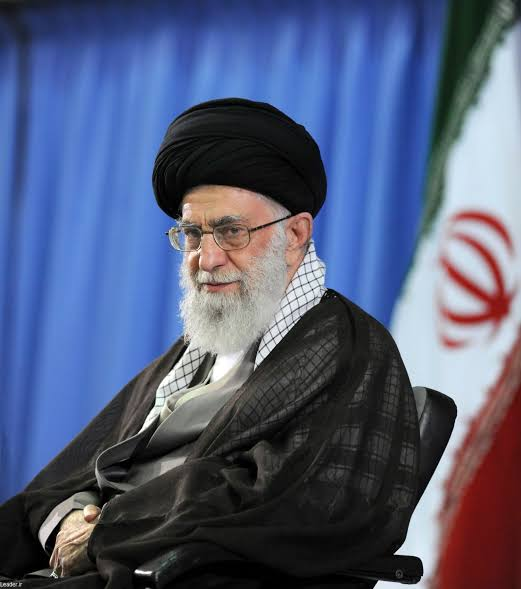
Ali Khamenei is 85 years old. In a system where one man holds almost all the cards, his health is the only thing keeping the current status quo in place. When he dies, the world expects a simple vote by the Assembly of Experts. But the reality will be much messier. We aren't just looking at a change of a leader; we are looking at the potential mutation of the Islamic Republic itself.
The Myth of the Clerical Choice
On paper, a group of old clerics picks the next Supreme Leader. In practice, these men have lost much of their street credit. Unlike the 1979 revolution, today's Iran isn't driven by religious fervor in the mosques. It is driven by a massive military-industrial complex. The next leader won't just need to know the Quran; he will need the blessing of the men in green uniforms.
The IRGC: From Protectors to Owners
The Islamic Revolutionary Guard Corps (IRGC) is no longer just a branch of the military. They own the construction companies, the telecommunications, and the ports. They are the shareholders of the state. For them, a new Supreme Leader is a business decision. They don't want a strong, charismatic visionary who might challenge their economic empire. They want a figurehead—someone who looks the part but lets the generals run the show behind the scenes.
The Case of Mojtaba Khamenei
One name keeps coming up: Mojtaba, the Supreme Leader’s son. In a system that started by overthrowing a monarchy, turning into a hereditary dynasty is awkward. However, Mojtaba has deep ties to the security apparatus. He represents stability for the elite. If he takes the throne, it signals that the 'Revolution' has officially turned into a standard military autocracy, just with a different hat.
What This Means for the Streets
The biggest wild card isn't the palace intrigue; it is the person in Tehran trying to buy eggs. Inflation is high, and the social contract is broken. The transition period is the most dangerous time for any regime. If the elite fight among themselves during the succession, it creates a crack. History shows that when the people see the guys at the top are distracted, that is when the real protests start. We might see a brief period of 'reforms' offered as a bribe to keep the public quiet while the new leader settles in.
A Shift in Foreign Policy?
Don't expect a sudden friendship with the West. The IRGC relies on a 'state of siege' to justify their power. However, a new leader might be more pragmatic about sanctions. They need money to keep their supporters happy. We might see a 'China Model'—strict social control and a harsh military, but a more calculated, business-first approach to international deals. The era of the revolutionary firebrand is ending; the era of the military CEO is beginning.



No comments yet