

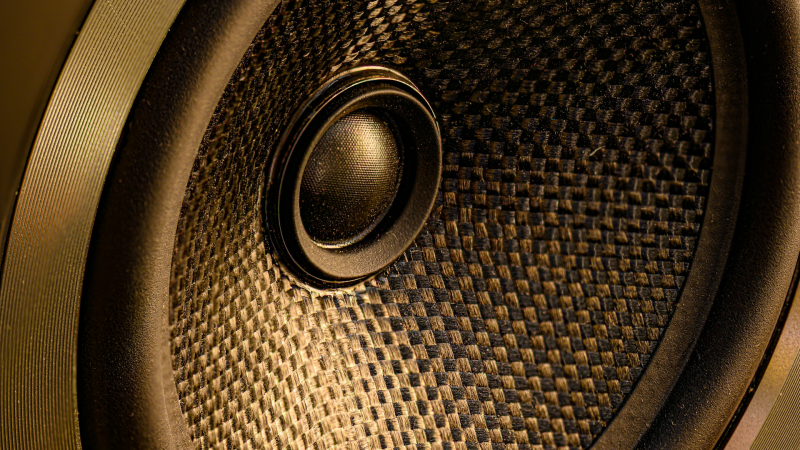
Why Your Expensive Speakers Sound Cheap: The 10-Minute Fixes
Sunday, March 22, 2026, 2 AM



The Mystery of the Missing Bass
You just spent a month's rent on a pair of bookshelf speakers, but they sound like a tin can. Before you box them up for a return, there is a good chance the gear isn't the problem. Most audio issues come down to physics, not a lack of quality. Here is how to fix the small things that ruin big sound.
1. The Wiring Trap: Check Your Phase
This is the most common mistake in home audio. Every speaker has a positive (+) and a negative (-) terminal. If you connect the red wire to the red port on your left speaker, but accidentally flip them on the right speaker, you have a "phase" problem. Because the speakers are pushing and pulling air in opposite directions, they cancel each other out. The result? Your bass disappears and the music feels like it is hollow. Double-check your copper. Ensure red goes to red and black goes to black on both ends.
2. The Table Vibration Loop
If you are a vinyl lover, never put your turntable on the same shelf as your speakers. Think of it like a microphone standing next to a megaphone. The vibrations from the speakers travel through the wood, shake the needle, and create a muddy, buzzing feedback loop. Move the speakers to dedicated stands or at least put some thick rubber pads under them to decouple them from the surface. You will notice the clarity improve instantly.
3. Stop Blasting the Wall
Imagine your speakers are flashlights. If you point them straight ahead, the light hits the back wall and bounces around the room. This creates "echo smear," making voices sound blurry. Try "toeing-in" your speakers. Angle them slightly inward so they point directly at your shoulders when you are sitting in your favorite chair. This simple geometry trick makes the soundstage feel like the band is standing right in front of you instead of hiding in the corners.
Troubleshooting 101: The Hum and the Crackle
If you hear a constant low hum, it is usually a "ground loop." Try plugging your amp and your source (like a PC or TV) into the same power strip. If you hear crackling when you turn the volume knob, it is likely just dust. A quick spray of electronic contact cleaner inside the knob housing usually fixes it. You don't need a repair shop; you just need to get the dirt out of the way.
Trust Your Ears, Not the Price Tag
Audio companies want you to believe you need a $500 cable to hear the truth. You don't. Most of the time, better sound is just a matter of moving a speaker three inches to the left or tightening a loose wire. Spend an afternoon moving things around. Your ears will tell you when you've found the sweet spot.
Posted in: Gadgets







No comments yet